
End Assisted Suicide Now
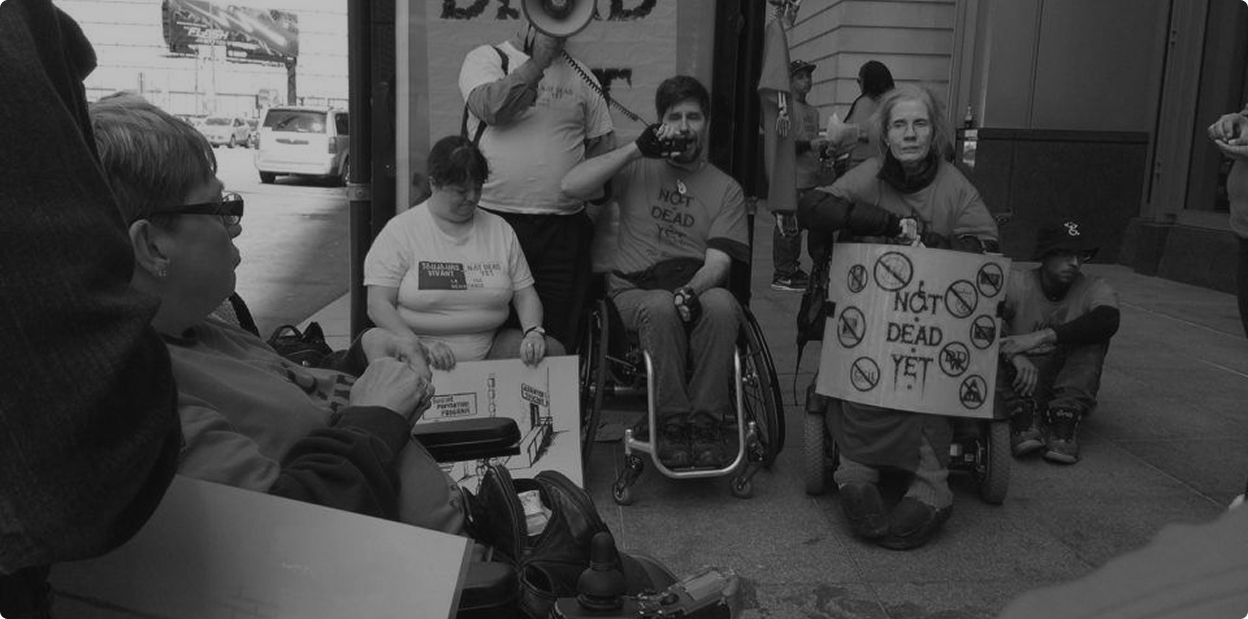
We are Not Dead Yet. A national, grassroots disability rights group that opposes legalization of assisted suicide and euthanasia as deadly forms of discrimination.
Meet the Resistance
What Is Assisted Suicide?
Assisted suicide is when someone helps you take your own life. Medically-assisted suicide is when a doctor gives a patient drugs that will kill them. This practice is different from euthanasia. In euthanasia, the doctor kills a person who wants to take their own life.
But assisted suicide and euthanasia are not about free choice. They are about a harmful idea. That idea is that it is better to be dead than disabled. Don’t believe it.

Our History
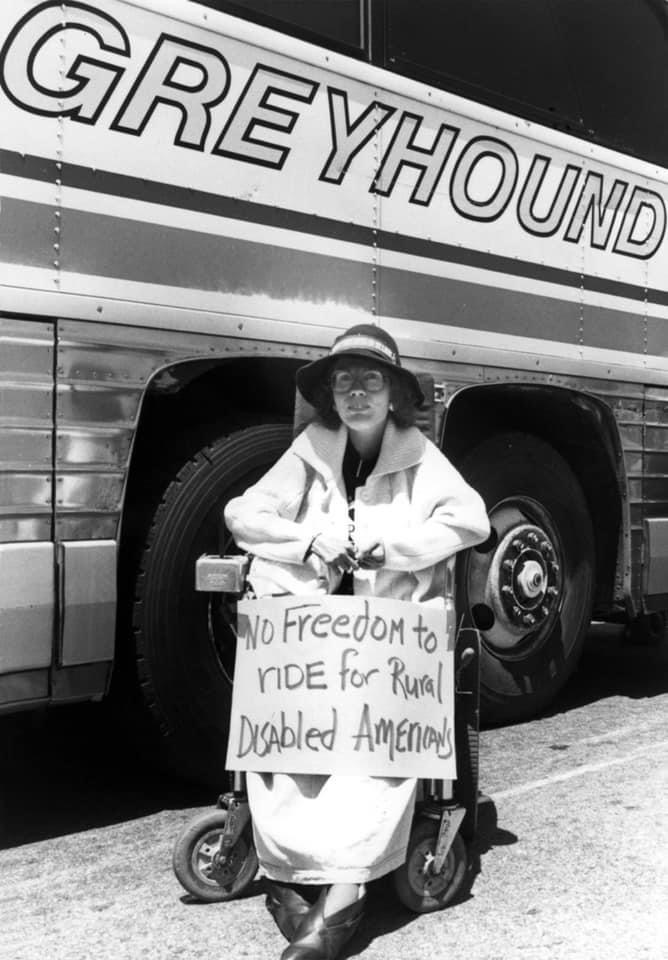
Not Dead Yet has a long history. We were founded by Diane Coleman in 1996. We have fought assisted suicide and euthanasia in the United States for thirty years.
We were first founded to protest the ideas created by evil men like Dr. Jack Kevorkian. He killed over 130 people using machines and gas. He said he was trying to end pain. He really just enjoyed ending lives.
Why You Should Care
Assisted suicide is discrimination. It has the power to seriously hurt people with disabilities’ right to live good lives in the community. To learn why and how, listen to our…
Arguments
The Dealers of Death
The Money Behind the Movement
The movement to legalize assisted suicide is led by large non-profit groups, such as "Compassion & Choices." These organizations have vast funding, often managing a war chest of $40 million to $50 million. They use this massive amount of money to influence state lawmakers across the country.
Their Policy Strategy
These organizations often push to extend assisted suicide laws to cover greater and greater numbers of people, including people whose disabilities will not kill them. A serious worry is that they publicly promote the financial "savings" that result from assisted suicide. This focus suggests that ending a life is cheaper and better than providing proper long-term care. This strategy places ill and disabled people in a position of extreme financial pressure.